Why Crypto Prices Go Up and Down
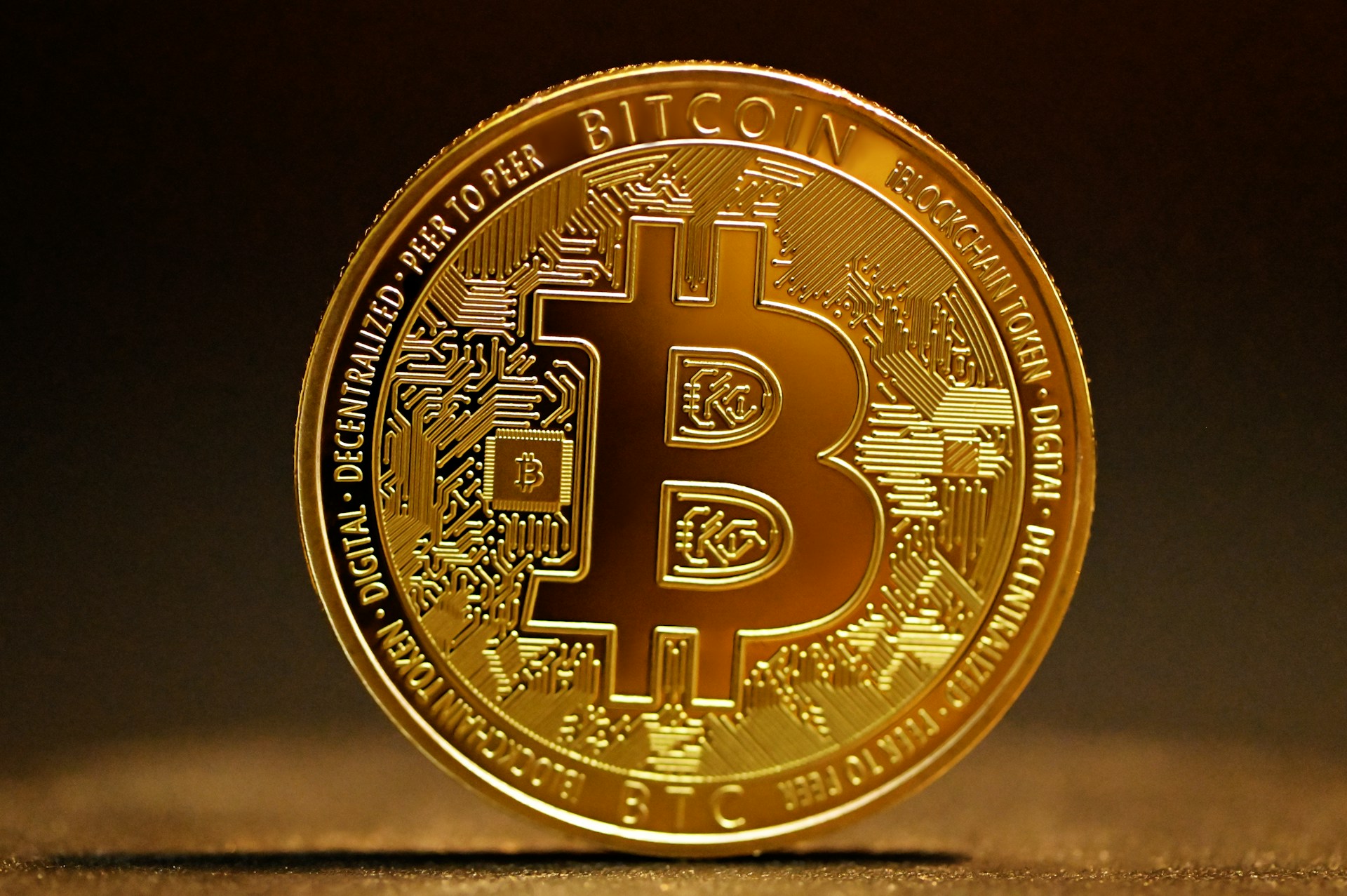
Why crypto prices go up and down so fast can feel like a mystery when you watch the charts. One day a coin is up twenty percent, and the next week it drops right back down. It happens because crypto market prices move entirely on what people are willing to pay at that exact second.
Unlike regular money, crypto never sleeps and has no central bank to step in when prices fall. Millions of buyers and sellers trade on exchanges every minute, so small changes in news, moods, or big trades can cause huge price swings. Understanding these shifts helps you see the real risk before you ever spend your cash.
Supply and Demand Drive Every Price Change
Crypto prices move on the basic law of supply and demand. If more people want to buy a coin than sell it, the price goes up. If more people want to sell, the price falls.
Think of it like tickets to a popular concert. When the show sells out, people pay double to get inside. But if nobody wants the tickets, sellers drop the price just to get some money back. Crypto works the same way on public exchanges. Sellers put in their lowest price, and buyers place their highest offer.
Some coins have a fixed supply that makes this swing even wilder. For example, there will only ever be 21 million units of Bitcoin. When millions of new people decide they want a piece of a limited coin, the price jumps fast because no one can print more to meet the demand.

How News and Hype Change Buyer Feelings
Feelings push crypto prices more than almost anything else. News spreads across social media in seconds, and traders react immediately without waiting to see if a story is fully true.
Good news makes people feel left out. When a big payment company says it will accept a token, thousands of people buy at once. The price shoots up. But bad news works just as fast. If a government threatens a ban or a popular app gets hacked, panic sets in and prices drop in minutes.
Traders call these moods fear and greed. When greed takes over, people buy coins simply because the price is rising, hoping to make quick cash. When fear hits, those same people rush to sell to save what they have left. This emotional cycle turns small news items into giant price waves.
Why Crypto Prices Move Way Faster Than Normal Stocks
Why do crypto prices swing so much harder than regular stocks? The stock market has rules to stop wild falls, like cooling-off periods that pause trading if a stock drops ten percent in a day. Crypto markets do not have any of these safety brakes.
Crypto trades 24 hours a day, 7 days a week, across the entire world. A sudden shift in Asian trading hours can change your portfolio balance while you sleep in America. There are no opening bells, no closing bells, and no weekends off.
The market size plays a big role too. While traditional stock markets hold tens of trillions of dollars, the entire cryptocurrency market is much smaller. Because the pool of money is smaller, a single large trade makes a much bigger splash than it would in the traditional stock market.
Big Holders and Automatic Trading Programs
A small group of large holders can shift prices on their own. In the crypto world, people call these huge account holders whales. A whale might own tens of thousands of coins accumulated years ago for pennies.
If a whale decides to sell thousands of coins all at once, the market floods with supply. Buyers on the exchange cannot absorb that many coins at the current price, so the price tumbles down to lower buying offers. Other traders see the price fall and start selling too, creating a snowball effect.
Automated software programs make these movements even faster. Many computer bots are set to sell coins automatically if the price drops below a certain line. When one bot sells, it drops the price, which triggers fifty other bots to sell right after. This software chain reaction can drop a price ten percent in seconds.
How to Stay Safe Around Price Swings
Watching prices rise and fall like a roller coaster is stressful for anyone. If you want to explore the space, there are practical steps to protect your mind and your wallet.
First, never put in money you need for rent, bills, or food next week. Treat any money you put into crypto as money you might lose. When you understand the market volatility, you are less likely to panic sell during a sudden crash.
Second, learn how to secure whatever you hold. Moving your assets to a personal private wallet means you control your keys, even if market prices are jumping around on public platforms. If you want to set up your own wallet, check out this guide on How a Crypto Wallet Works to Keep Your Money Safe.
Finally, avoid checking your screen every ten minutes. Daily price swings are normal in this market. If you want to keep learning without losing sleep, read more safe guides on our crypto basics hub for beginners.
Will price swings ever slow down? As more people use these assets over time, markets may become calmer, but wild days will stay around for a while. How much price risk are you comfortable with before taking your next step?


Comments
Post a Comment